

Introduction
How to wear accessories without overdoing it starts with restraint, not restriction. The goal is to make your outfit feel finished, personal, and intentional without letting jewelry, bags, belts, or scarves compete for attention. A polished look usually depends on balance: one strong idea, a few supporting pieces, and enough space for the outfit itself to breathe.
When accessories work well, they sharpen your style rather than overpower it. That means choosing pieces that complement your clothes, your proportions, and the occasion. It also means knowing when to stop. A single thoughtful accessory can look more confident than several trendy items worn at once.
Start With One Clear Focal Point
The easiest way to avoid visual clutter is to decide what should lead the look. A focal point can be a statement necklace, bold earrings, a structured bag, or even a standout watch. Once that decision is made, the rest of the accessories should support it instead of competing with it.
If your outfit already has strong color, texture, or shape, keep accessories quieter. If your clothes are simple and clean, one accent piece can add interest without overwhelming the look. This approach makes styling easier and keeps your outfit cohesive.
A simple focal-point rule
Use this quick decision guide:
| Outfit situation | Best accessory approach |
|---|---|
| Busy print or textured fabric | Keep jewelry minimal |
| Neutral outfit | Add one accent piece |
| Formal or polished look | Choose refined, streamlined accessories |
| Casual basics | Use one piece with personality |
Match Scale, Not Just Color
Matching accessories to your outfit is about proportion as much as style. A delicate chain can disappear against a heavy knit, while oversized earrings can overpower a small neckline. The best accessory choices feel visually in scale with the clothes you are wearing.
Color harmony helps, but size and weight matter just as much. Thin straps, petite frames, and lighter fabrics usually pair well with lighter accessories. Structured garments, thicker materials, and broader silhouettes can handle stronger pieces more comfortably.
Think in terms of visual weight
- Light visual weight: fine jewelry, slim belts, compact bags
- Medium visual weight: classic watches, medium hoops, simple scarves
- High visual weight: chunky cuffs, large statement earrings, bold bags
When the visual weight matches the outfit, the result feels effortless.
Edit by Outfit Type
Different outfits need different levels of accessorizing. What works for a clean work look may feel too much for a relaxed weekend outfit. The safest method is to adjust your accessories based on the role of the outfit, not just your mood.
For everyday outfits, one or two accessories are often enough. For evening looks, you can usually add a little more drama, but the rule still applies: choose focus, then edit the rest. For professional settings, understatement usually reads as more polished and confident.
Outfit-based styling guidance
- Workwear: keep jewelry refined and practical
- Casual outfits: use one relaxed accent, such as a watch or small hoops
- Eveningwear: allow one stronger statement, not several
- Minimalist outfits: use texture or shape instead of quantity
Use a Simple Balance Formula
The clearest answer to how to wear accessories without overdoing it is to create a repeatable formula. A balanced outfit usually includes one focal accessory, one or two supporting pieces, and no extras that repeat the same job. This keeps the look deliberate and avoids visual noise.
A useful formula is: 1 statement + 2 quiet pieces + 0 unnecessary repeats. You do not need to follow it rigidly, but it helps prevent over-accessorizing when you are getting dressed quickly. The more detailed your clothing already is, the more minimal your accessories should be.
Example formulas
| Look goal | Suggested combination |
|---|---|
| Clean and elegant | Studs + watch + simple ring |
| Modern and polished | Small hoops + structured bag + slim belt |
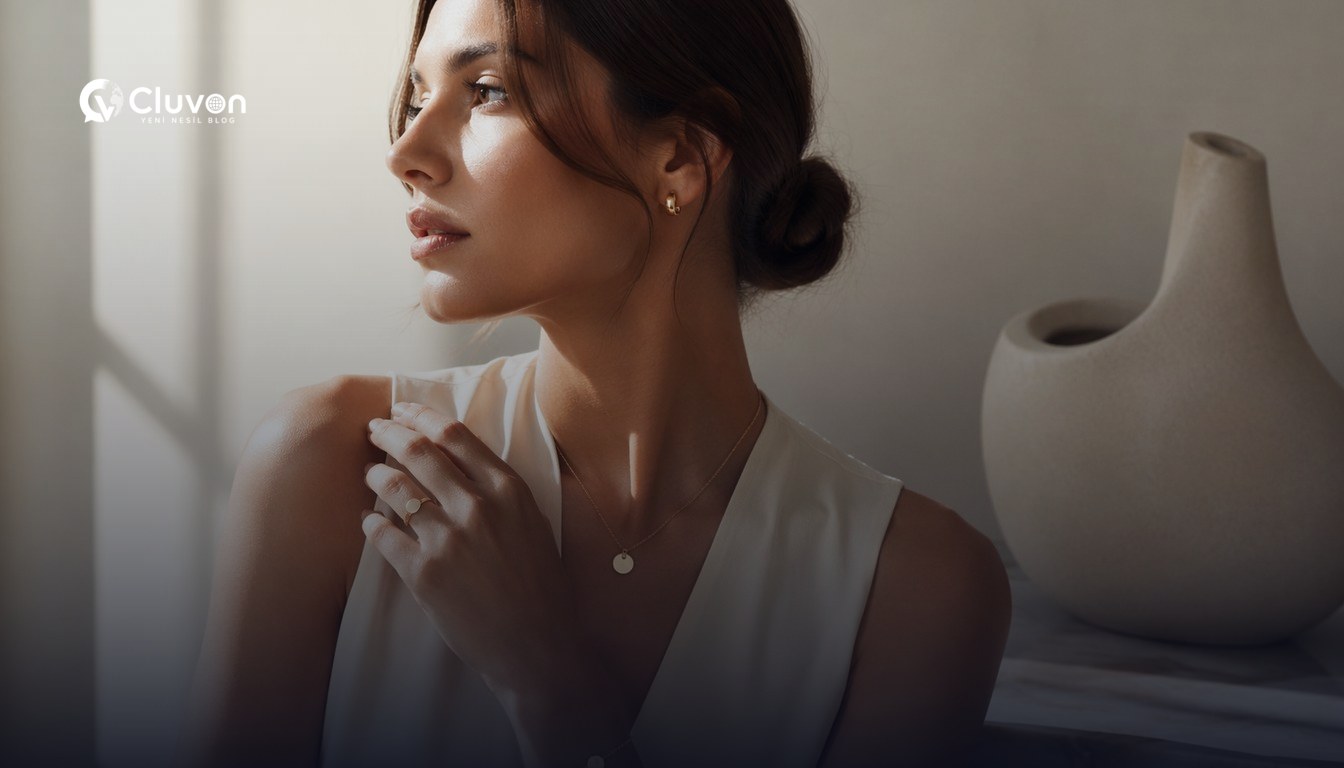
| Soft and feminine | Fine necklace + delicate earrings |
| Confident and bold | One statement item + understated supporting pieces |
Common Mistakes to Avoid
Over-accessorizing often happens when each piece is attractive on its own but too much together. The result can feel busy, dated, or unintentionally loud. The fix is usually not removing style, but removing repetition.
If you want your accessories to look intentional, avoid stacking too many items with the same visual impact. Multiple statement pieces, competing metals, and oversized accessories used together can flatten the whole outfit. A cleaner edit usually makes every individual piece look better.
Mistakes that make outfits feel heavy
- Wearing several statement pieces at once
- Mixing too many competing textures
- Adding accessories only because they are available
- Choosing pieces that ignore proportions
- Repeating the same idea in different forms, such as too many bold items
Quick Styling Checklist
The fastest way to stay balanced is to review your look before you leave. A short checklist helps you see whether the accessories are supporting the outfit or distracting from it. This habit is especially useful when you are experimenting with new pieces or dressing under time pressure.
Ask yourself whether the outfit has one clear focal point, whether the accessories match the scale of your clothes, and whether removing one item would improve the look. If the answer is yes, you probably have enough.
Five-second final check
- Is there one clear focal point?
- Do the pieces match the outfit’s scale?
- Is anything repeating the same visual job?
- Does the outfit still feel like “you”?
- Would removing one item make it stronger?
FAQ
How many accessories are too many?
There is no fixed number, but too many usually means the outfit has more than one focal point. If your jewelry, bag, belt, and extra details all demand attention, the look may feel crowded. A cleaner combination almost always reads as more polished.
Can I wear statement earrings and a necklace together?
Yes, but only if one of them stays visually quieter. If both are bold, they can compete and make the outfit feel heavy. The safest choice is to let one piece lead and keep the other subtle.
What is the easiest way to look polished with minimal accessories?
Choose one strong accessory and keep everything else simple. Small earrings, a clean watch, or a structured bag can finish a look without taking over. Polished styling often comes from editing, not adding.
Conclusion
How to wear accessories without overdoing it comes down to balance, scale, and editing. When you choose one focal point, keep the rest supportive, and match accessories to the outfit’s visual weight, your look feels intentional rather than crowded. That is the easiest way to make style feel effortless.
If you want more style guidance, browse our Fashion articles for practical ideas you can use every day. Keep refining your accessory choices, and let each piece earn its place.