

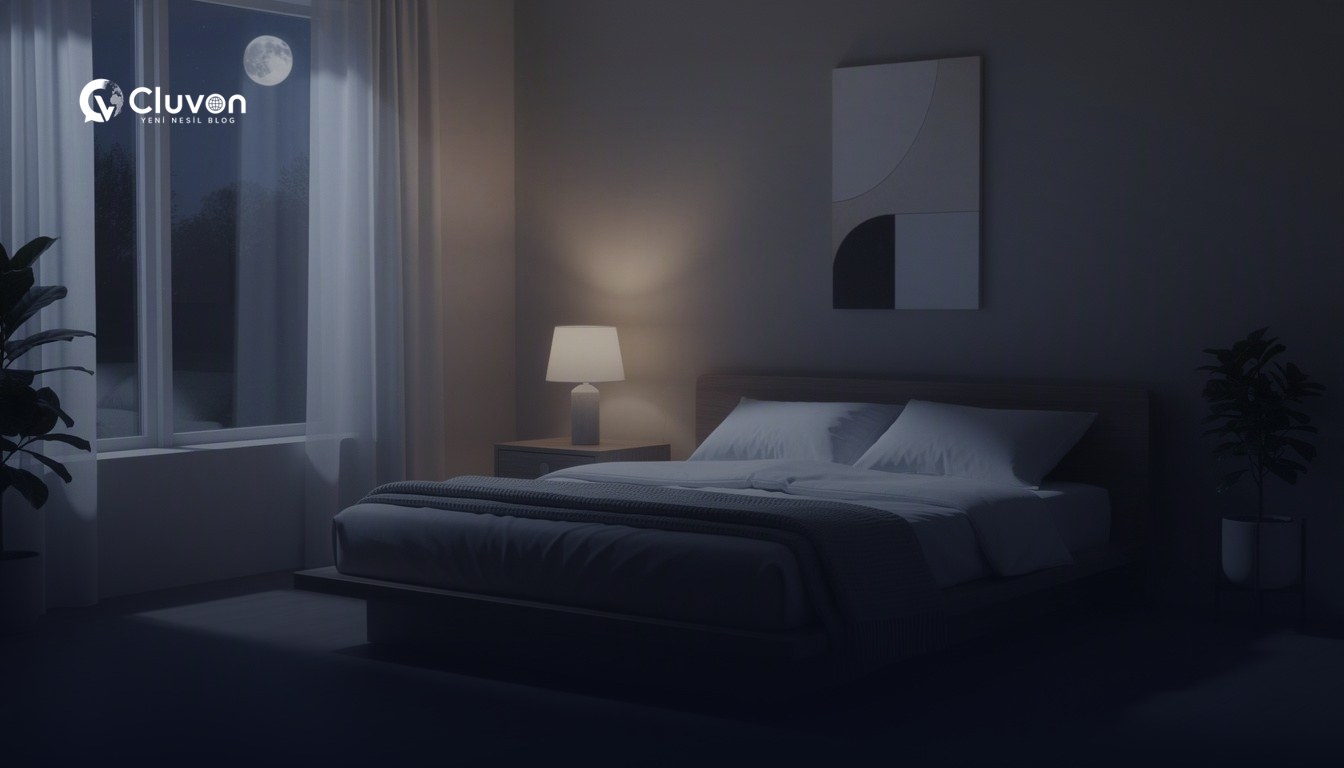

A better bedroom layout for sleep starts with one simple idea: the room should help your body slow down, not stay alert. Where the bed sits, how much clutter is visible, and how light enters the space can all affect how calm the room feels before bedtime. Small layout changes often make the biggest difference.
Why bedroom layout affects sleep
A bedroom affects sleep because your brain reads the room before you fully notice it. If the space feels busy, bright, or crowded, it can signal “stay awake.” A calmer layout supports winding down by reducing visual noise and making the room feel predictable, quiet, and restful.
For a bedroom layout for better sleep, focus on three things:
- clear movement around the bed
- fewer distractions in sight
- a sense of balance and softness
Start with the bed placement
The bed placement matters most because it anchors the room and shapes how safe and settled the space feels. A good position gives you easy access from both sides when possible, keeps the bed away from strong drafts or direct light, and avoids placing it in the most visually busy part of the room.
When deciding how to arrange a bedroom for sleep, use this checklist:
| Placement goal | What to look for | Why it helps |
|---|---|---|
| Easy access | Space to walk around the bed | Less friction at bedtime |
| Less distraction | Bed not facing clutter | Calmer visual field |
| Gentle light control | Not directly under harsh light | Easier to relax |
| Stable feel | Bed not squeezed into a corner unless needed | More open, less cramped |
If the room is unusual, do not force a perfect arrangement. A practical layout that feels calm is better than a stylish one that works against sleep.
Control light, sound, and temperature
Light, sound, and temperature shape sleep more directly than décor does. A sleep-friendly room layout should make it easy to block early light, soften noise, and support a comfortable sleeping environment. Even if the room looks beautiful, it will not feel restful if it is too bright, too loud, or uncomfortable.
Use these simple room-adjustment ideas:
- place the bed away from window glare if possible
- keep lamps easy to switch off from the bed
- use soft, non-reflective materials where you can
- avoid placing noisy electronics near the pillow area
For better sleep, the layout should help you lower stimulation fast when you get into bed.
Choose furniture that supports rest
Furniture affects sleep when it adds convenience without crowding the room. The best furniture for a better bedroom layout for sleep is simple, useful, and visually light. Large pieces can make a room feel heavier, while too many small items can create a cluttered look that keeps the mind active.
A practical furniture approach includes:
- one bed that fits the room well
- compact bedside storage
- only the furniture you truly use
- clean surfaces that are easy to maintain
Best furniture choices for a sleep-friendly bedroom layout
| Item | Better choice | Avoid |
|---|---|---|
| Bed frame | Low-profile, stable | Oversized, visually heavy |
| Nightstand | Small and functional | Overloaded surfaces |
| Storage | Closed storage when possible | Open piles and visible stacks |
| Chair or bench | Only if it has a clear purpose | Decorative extras that collect clutter |
If your room feels full, remove one item before adding another. That is often the fastest way to improve the bedroom setup for better sleep.
Reduce visual clutter
Visual clutter keeps the room mentally “unfinished,” which can make it harder to relax. A cleaner layout creates a stronger bedtime cue: this space is for rest. In practice, that means fewer items in sight, simpler surfaces, and better storage for everyday objects that do not need to be visible.
To reduce clutter without a full makeover:
- keep bedside items to the essentials
- store loose clothing out of view
- avoid too many decorative objects
- use baskets, drawers, or cabinets for small items
- choose a limited color palette for visible elements
A calmer room does not need to be empty. It just needs to feel organized and intentional.
Make a small bedroom feel calmer
A small bedroom can still support good sleep if the layout is thoughtful. The goal is not to make the room look bigger at all costs. The goal is to make it feel easier to use, easier to clean, and less mentally crowded. In small spaces, every item needs a clear reason to be there.
Use these space-saving strategies:
- choose one focal point: the bed
- keep walking paths open
- use vertical storage instead of extra floor furniture
- avoid blocking windows with large pieces
- keep color and texture simple
Small bedroom layout tips that help sleep
- Use wall-mounted lighting if table space is limited.
- Pick storage that closes fully to hide visual clutter.
- Keep the area near the bed clear so bedtime feels easy.
- Place only one or two calming items within view.
These changes help a small room feel quieter and less demanding.
Sleep-friendly bedroom layout checklist
A sleep-friendly room works because it removes obstacles between you and rest. If your space still feels restless, use this quick checklist to spot what may be interfering. You do not need to redesign everything at once; even one or two changes can make bedtime feel more settled.
Quick checklist for a better bedroom layout for sleep
- The bed is easy to enter and exit.
- The room does not feel overloaded.
- Visible surfaces are mostly clear.
- Light can be softened at night.
- Frequently used items are within reach.
- Furniture supports movement, not obstruction.
- The room feels calm before you turn the light off.
If several boxes are not checked, start with the bed position and clutter reduction first.
FAQs
What is the best bedroom layout for sleep?
The best layout is the one that makes the room feel calm, easy to use, and low in distraction. In most cases, that means a well-placed bed, enough walking space, limited visible clutter, and simple lighting that supports bedtime routines.
Should my bed face the door?
There is no universal rule that works for every room. What matters more is whether the bed placement feels comfortable, balanced, and not visually stressful. If facing the door creates a calmer sense of control in your room, it may be a useful arrangement.
How can I improve sleep in a small bedroom?
Start by removing unnecessary furniture, hiding clutter, and keeping the path to the bed clear. In small rooms, storage and simplicity matter more than decoration. A cleaner layout often makes the biggest difference in how restful the room feels.
Do colors matter in a bedroom layout for better sleep?
Yes, because color can affect how busy or calm a room feels. Softer, more restrained color choices usually support a quieter atmosphere better than sharp contrasts or overly energetic combinations. The aim is a room that feels restful rather than stimulating.
Conclusion
A better bedroom layout for sleep is not about following strict design rules. It is about creating a room that helps your mind slow down and your body feel ready for rest. Start with bed placement, reduce clutter, and make light and movement feel simpler. If you want more practical wellness ideas, explore our Health category.
For the best results, choose one change today and build from there. A calmer bedroom often begins with one clear, intentional adjustment.