

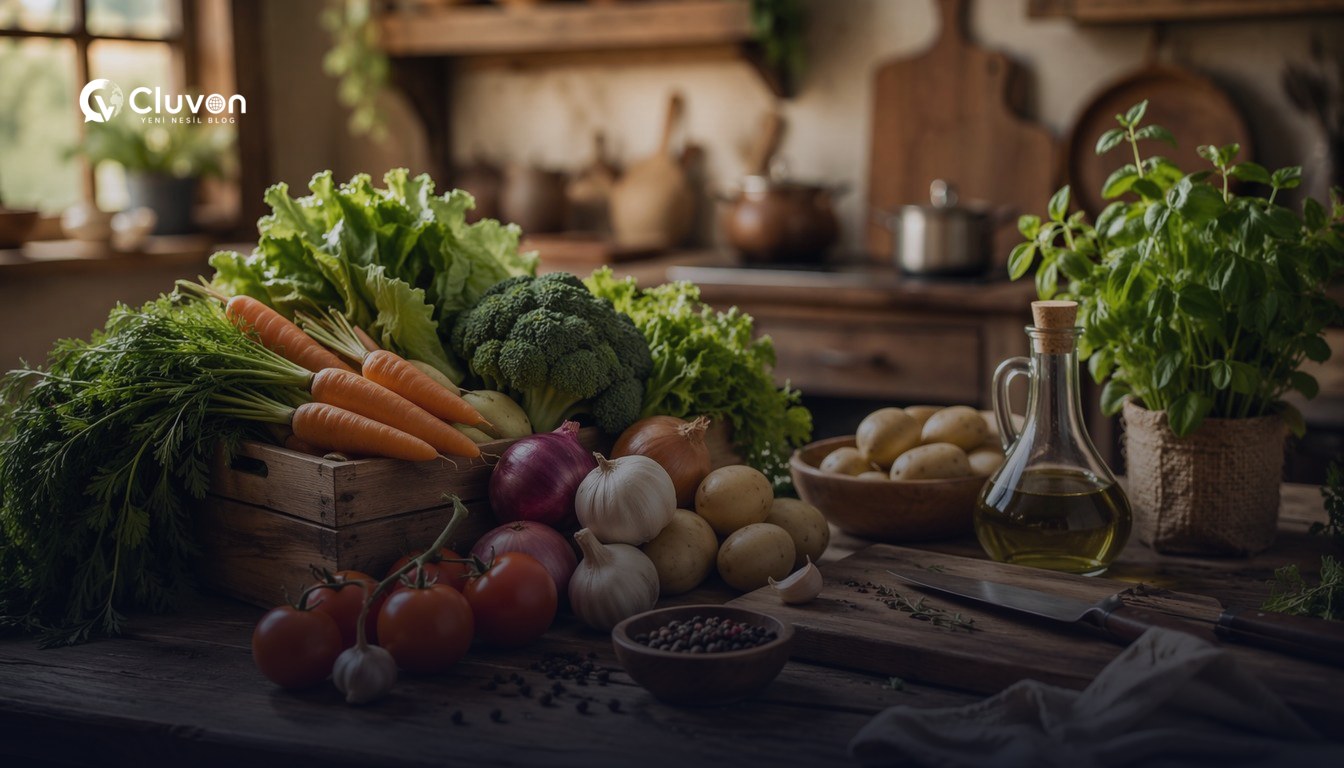

Budget-friendly nutritious recipes help you make meals that are filling, balanced, and practical without pushing your grocery bill too high. The key is not “cheap food” in the narrow sense, but smart cooking: choosing versatile ingredients, building flavor efficiently, and using what you already have with less waste and more consistency.
Why budget-friendly nutritious recipes work
Budget-friendly nutritious recipes work because they focus on high-value ingredients, flexible preparation, and meals that can be repeated without feeling boring. Instead of chasing expensive specialty products, you lean on staples that deliver protein, fiber, and satisfaction. That approach supports everyday cooking, especially when time and money both matter.
What makes a recipe budget-friendly and nutritious?
A good recipe balances cost, satiety, and nutrition in a way that feels realistic for regular life. It should rely on ingredients that are easy to find, store well, and adapt to different meals.
| Element | Why it helps | Example |
|---|---|---|
| Protein | Improves fullness | Beans, lentils, eggs |
| Fiber | Helps meals feel satisfying | Oats, vegetables, legumes |
| Versatility | Reduces waste | Rice, potatoes, yogurt |
| Flavor base | Makes simple food enjoyable | Onion, garlic, spices |
How to build a low-cost balanced plate
A low-cost balanced plate starts with structure: one filling base, one protein source, one or two vegetables, and a simple sauce or seasoning layer. This method keeps meals affordable and prevents random ingredient buying. It also makes planning easier because you can swap components instead of starting from scratch each night.
A simple formula to follow
Use this pattern when you need quick, affordable healthy meals:
- Base: rice, pasta, oats, potatoes, bread, or couscous
- Protein: eggs, beans, lentils, tofu, yogurt, canned fish, or chicken
- Vegetables: fresh, frozen, or canned options
- Flavor: herbs, citrus, tomato paste, mustard, garlic, or spices
- Texture: seeds, nuts, toasted breadcrumbs, or crisp vegetables
Why flexibility matters
Flexibility lets you cook around sales, leftovers, and seasonal availability. If one ingredient becomes expensive, you can replace it without changing the whole meal. That is especially useful for healthy recipes on a budget, where consistency matters more than perfection.
Best ingredients for affordable healthy meals
The best ingredients for affordable healthy meals are the ones that do more than one job. They should be filling, easy to cook, and useful in several recipes. Pantry staples and freezer-friendly items usually give the best return because they reduce both waste and last-minute takeout spending.
Pantry staples worth keeping
These ingredients are reliable building blocks for low-cost healthy recipes:
- Dried lentils
- Dried beans or canned beans
- Rice
- Oats
- Pasta
- Canned tomatoes
- Tomato paste
- Peanut butter or other nut butter
- Broth cubes or bouillon
- Basic spices and dried herbs
Fridge and freezer staples that save money
Cold storage can help you stretch ingredients and reduce spoilage. Frozen vegetables, plain yogurt, eggs, and cheese in small amounts can support many meals.
| Category | Practical options | Why it saves money |
|---|---|---|
| Protein | Eggs, yogurt, tofu, beans | Low waste, high flexibility |
| Vegetables | Frozen spinach, peas, mixed veg | Long shelf life |
| Flavor | Lemon, garlic, onion, herbs | Small amounts create variety |
| Carbs | Bread, tortillas, potatoes | Easy to repurpose |
Smart cooking methods that save money
Smart cooking methods save money by reducing waste, keeping energy use efficient, and helping ingredients last longer across multiple meals. Batch cooking, one-pot meals, and sheet-pan recipes are especially useful because they simplify cleanup while letting you build several servings from affordable ingredients.
Methods that work well
The most useful methods are often the simplest:
- Batch cooking: cook grains, beans, or soup in larger amounts
- One-pot meals: reduce dishes and preserve flavor
- Sheet-pan meals: easy vegetable and protein combinations
- Mix-and-match prep: prepare ingredients separately for several meals
- Soup and stew cooking: use small amounts of ingredients to create volume
How to avoid waste while cooking
Waste often happens when ingredients are bought for one recipe only. Instead, plan meals so each item has at least two uses. For example, roasted vegetables can become a grain bowl one night and a wrap filling the next. That habit is one of the simplest ways to support budget-friendly nutritious recipes.
Sample meal ideas you can mix and match
These sample meal ideas show how affordable healthy meals can still feel varied. They are not strict recipes; they are practical templates you can adjust based on what you already have, what is on sale, and how much time you can spend cooking.
Breakfast ideas
Budget breakfasts should be filling enough to carry you through the morning. Oats, eggs, yogurt, and fruit are easy starting points.
- Savory oats with an egg and greens
- Yogurt bowl with oats and fruit
- Egg toast with sliced tomatoes
- Peanut butter banana toast
- Overnight oats with cinnamon and seeds
Lunch ideas
Lunch works best when it is portable, simple, and easy to reheat. Grain bowls, soups, and wraps are strong options for healthy recipes on a budget.
- Lentil soup with bread
- Rice bowl with beans and vegetables
- Tuna or chickpea salad wrap
- Pasta with tomato sauce and sautéed vegetables
- Leftover roasted vegetable bowl with yogurt dressing
Dinner ideas
Dinner can be hearty without becoming expensive. Focus on one main staple and build around it with vegetables and seasoning.
- Bean and vegetable chili
- Vegetable fried rice with egg
- Baked potatoes with yogurt and herbs
- Pasta with lentils and tomato sauce
- Chicken, rice, and mixed vegetables
Snack ideas
Smart snacks help prevent overspending later by reducing the temptation to buy convenience food.
- Fruit with peanut butter
- Yogurt with oats
- Hummus with carrots
- Toast with cheese
- Roasted chickpeas
Common mistakes to avoid
The most common mistakes are buying too many specialty items, ignoring leftovers, and treating healthy eating as if it must be expensive. Budget cooking becomes easier when you simplify. You do not need a different recipe for every meal; you need a dependable structure that you can repeat.
Mistakes that raise the grocery bill
- Buying ingredients for only one meal
- Skipping pantry planning
- Overusing expensive packaged snacks
- Throwing away leftovers
- Choosing recipes with too many niche ingredients
Better habits to replace them
- Plan around ingredients, not just recipes
- Cook once and use leftovers intentionally
- Keep a short list of staples
- Season well instead of adding expensive extras
- Build meals from sale items and seasonal produce
FAQ
Are budget-friendly nutritious recipes actually filling?
Yes, they can be very filling when they include protein, fiber, and enough volume from vegetables, grains, or legumes. Meals built around beans, oats, potatoes, eggs, and rice often feel satisfying without being costly.
What is the cheapest healthy food to cook with?
There is no single cheapest option everywhere, but staples like lentils, beans, oats, rice, potatoes, eggs, and frozen vegetables are usually strong starting points. They are versatile, easy to store, and useful in many different meals.
How do I make healthy food taste better on a budget?
Use onion, garlic, citrus, vinegar, tomato paste, mustard, herbs, and spices. A small amount of seasoning can transform basic ingredients without requiring expensive sauces or specialty products.
Can I meal prep budget-friendly nutritious recipes for the week?
Yes. Batch cooking soups, grains, beans, and roasted vegetables is one of the easiest ways to save money and time. Store ingredients separately when possible so you can mix them into different meals later in the week.
Conclusion
Budget-friendly nutritious recipes make it possible to eat well without overspending. When you rely on flexible staples, simple cooking methods, and repeatable meal structures, healthy eating becomes more practical and less stressful. If you want more everyday meal ideas, explore our Food category and build your next plan around ingredients you already trust.