

Introduction
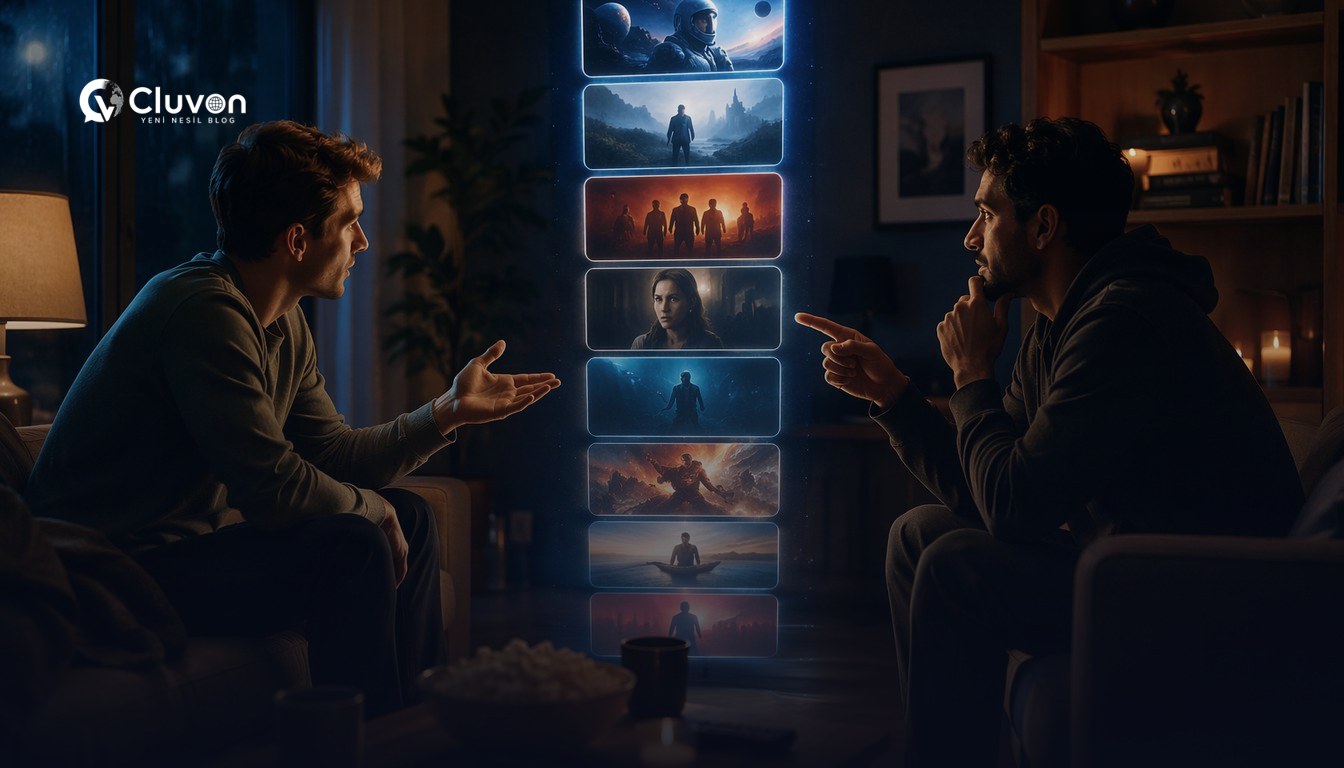
Movies with minimal dialogue can feel more immersive because they ask you to watch closely, not just listen. In a visually driven story, framing, movement, color, and silence carry as much meaning as spoken lines. That is why some films and series stay memorable long after the credits roll.
If you are looking for movies with minimal dialogue, this guide breaks down eight visual approaches that make them work so well. You will also see how these techniques help stories feel richer, more emotional, and more cinematic without relying on constant conversation.
What makes movies with minimal dialogue so effective?
Movies with minimal dialogue are effective because they turn the image itself into part of the storytelling. Instead of explaining everything, they invite the viewer to infer emotion, tension, and character intent from what is shown. That creates a more active, often more rewarding, viewing experience.
Several elements usually do the heavy lifting:
- Strong composition
- Precise editing
- Meaningful silence
- Expressive acting
- Visual symbolism
- Thoughtful production design
When these parts work together, the story feels complete even when characters say very little.
1. Let composition carry the scene
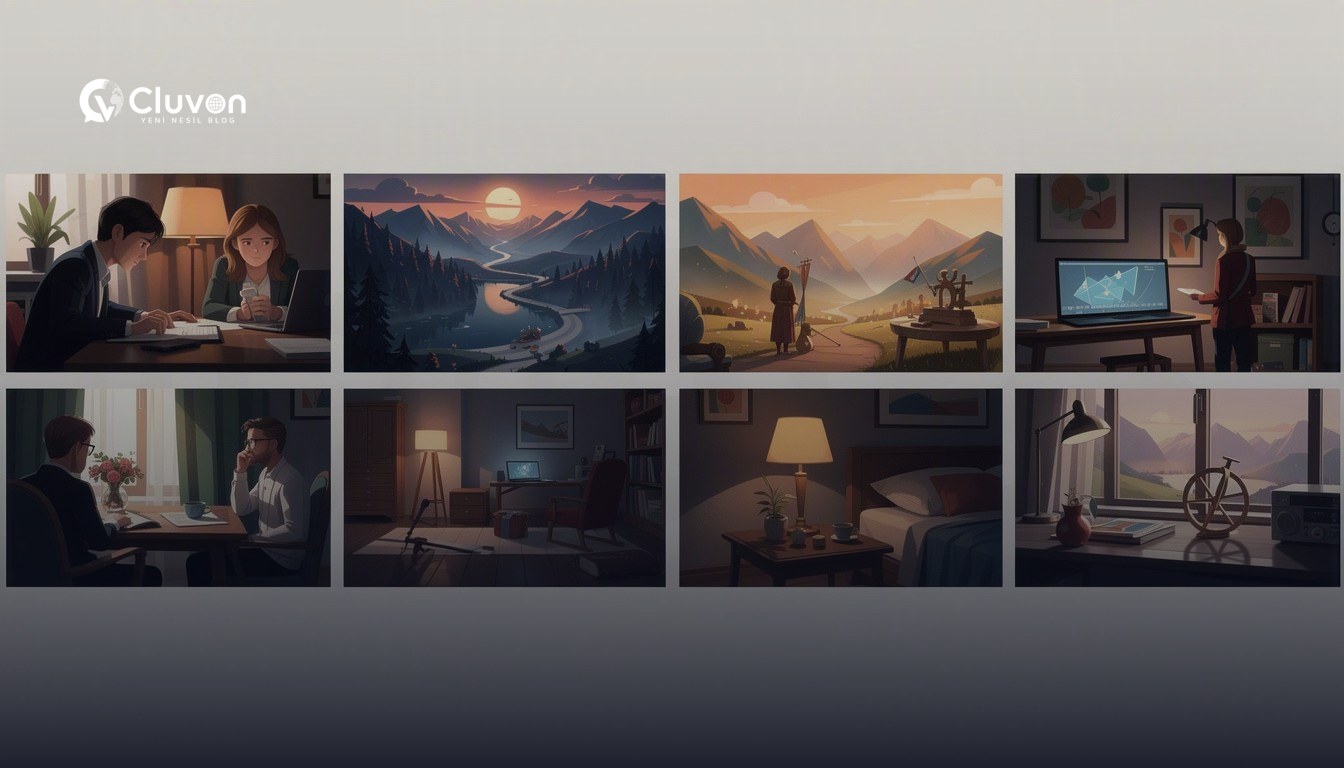
A strong composition can communicate status, distance, isolation, or connection before a single word is spoken. This is one of the clearest reasons movies with minimal dialogue feel so powerful: the frame itself becomes a sentence. Every placement of a character or object can reveal what matters.
To use composition well:
- Place characters to show emotional distance
- Use foreground and background to suggest power
- Frame entrances and exits with purpose
- Keep the eye moving toward the story’s focal point
A well-composed shot tells the audience where to look and how to feel. In dialogue-light scenes, that guidance is essential.
2. Use movement, rhythm, and silence
Movement and rhythm can replace explanation in a way dialogue never could. A character crossing a room slowly, a camera lingering on an empty space, or a sudden cut after stillness can all communicate tension, hesitation, or loss. Silence becomes meaningful when it is placed with intention.
Here is a simple way to think about it:
| Element | Story effect |
|---|---|
| Slow movement | Reflection, grief, unease |
| Quick movement | Urgency, panic, conflict |
| Stillness | Suspense, emptiness, focus |
| Silence after action | Emotional aftermath |
In many movies with minimal dialogue, silence does not mean nothing is happening. It often means the story is speaking in another language.
3. Build meaning through color and light
Color and light can define mood instantly, especially when dialogue is sparse. Warm tones may suggest intimacy or memory, while cold lighting can create emotional distance. Shadows can hide information, and high contrast can heighten tension. These choices give the viewer emotional cues without spelling anything out.
To make color and light work harder:
- Use a limited palette for consistency
- Contrast warm and cool spaces for emotional shifts
- Let practical light sources feel part of the world
- Reserve brighter tones for important story moments
This approach is especially useful in movies with minimal dialogue because the audience reads the image almost like a code. The visual atmosphere becomes part of the narrative itself.
4. Let facial expression do the heavy lifting
A face can carry surprise, doubt, regret, relief, and fear more efficiently than a page of dialogue. Close-ups, reaction shots, and long takes give actors room to express emotion without interruption. In visual storytelling, the smallest change in expression can change the meaning of an entire scene.
Look for these performance details:
- Eye movement before speech
- A delayed reaction
- A forced smile
- A jaw tightening under pressure
- A glance that says more than the line that follows
When filmmakers trust the face, the audience fills in the emotional gaps. That is one of the core strengths of movies with minimal dialogue.
5. Trust visual motifs and repetition
Recurring images can create structure and meaning across a film or series. A doorway, a red coat, an unfinished meal, a broken object, or a repeated location can each become a visual shorthand for a larger idea. Repetition helps the audience recognize patterns and understand how the story is changing.
Use motifs to:
- Reinforce character psychology
- Connect different scenes
- Signal a turning point
- Build thematic consistency
A good motif never feels random. It returns with purpose, and each return adds a new layer. In dialogue-light storytelling, motifs help the viewer track emotional development without needing extra exposition.
6. Choose the right pacing for the story
Pacing shapes how much the audience can absorb from the image. If the pace is too fast, visual details disappear. If it is too slow without purpose, attention drifts. The best dialogue-light stories usually pace scenes so viewers have time to read faces, spaces, and actions.
A useful pacing checklist:
- Give important shots enough time to register.
- Vary scene length to avoid monotony.
- Save faster editing for emotional escalation.
- Let quiet moments breathe after key reveals.
Pacing is especially important in movies with minimal dialogue because it creates room for interpretation. That space is where the storytelling becomes memorable.
7. Balance dialogue with image-driven scenes
Even the most visually rich story usually needs some dialogue. The key is balance. Dialogue should clarify what the image cannot, not repeat what the audience already understands. When the visual language is strong, spoken lines can become sharper, shorter, and more meaningful.
A balanced approach often looks like this:
- Use dialogue for turning points, not constant explanation
- Let characters speak when their words change the scene
- Follow important lines with visual reaction
- Avoid over-explaining what the image already shows
This balance is what separates a visually strong story from one that simply has less talking. Movies with minimal dialogue still benefit from purposeful speech; they just do not depend on it.
8. Learn from genre and tone
Different genres use visual storytelling in different ways. A quiet drama may rely on stillness and expression, while a sci-fi film may use scale, design, and atmosphere. Action stories often communicate through choreography and spatial clarity, and horror may depend on shadow, timing, and withheld information.
Common genre patterns include:
- Drama: expression, subtext, interior spaces
- Sci-fi: world design, visual scale, environment
- Action: movement, blocking, spatial flow
- Horror: darkness, negative space, anticipation
Understanding tone helps you read why a dialogue-light story feels effective. The best movies with minimal dialogue choose visual strategies that fit the genre rather than forcing one style everywhere.
FAQs
Are movies with minimal dialogue harder to follow?
Not necessarily. If the visual storytelling is clear, viewers can understand the plot through actions, expressions, and framing. In fact, less dialogue can sometimes make the story easier to feel, even if it asks for more attention.
Why do some viewers prefer dialogue-light stories?
Many viewers enjoy the freedom to interpret what they see. Dialogue-light stories often feel more immersive because they rely on cinema’s strongest tools: image, sound, rhythm, and performance.
Can a movie have minimal dialogue and still be emotionally rich?
Yes. Emotional depth does not come from speech alone. A look, a pause, a visual motif, or a change in lighting can deliver as much feeling as a long conversation.
Conclusion + CTA
Movies with minimal dialogue succeed when every image earns its place. Composition, movement, color, expression, motifs, pacing, and genre all work together to tell a story that feels complete without constant explanation. When done well, the result is more than stylish—it is unforgettable.
If you enjoy visually driven storytelling, explore more from our Movies & Series collection and keep an eye out for titles that let the camera do the talking.